Where our experience with vacant houses in Nassau County helps
The most useful thing we do for the owner of a vacant property is stop the meter. Every month a vacant house stands it costs taxes, a higher insurance premium, heat through the winter and somebody to check the door, and none of that spending produces anything.
We have bought houses in every condition, from freshly empty to structurally failing. We do not need the utilities on, we do not need it cleared, and we do not need a violation cured before we will look at it.
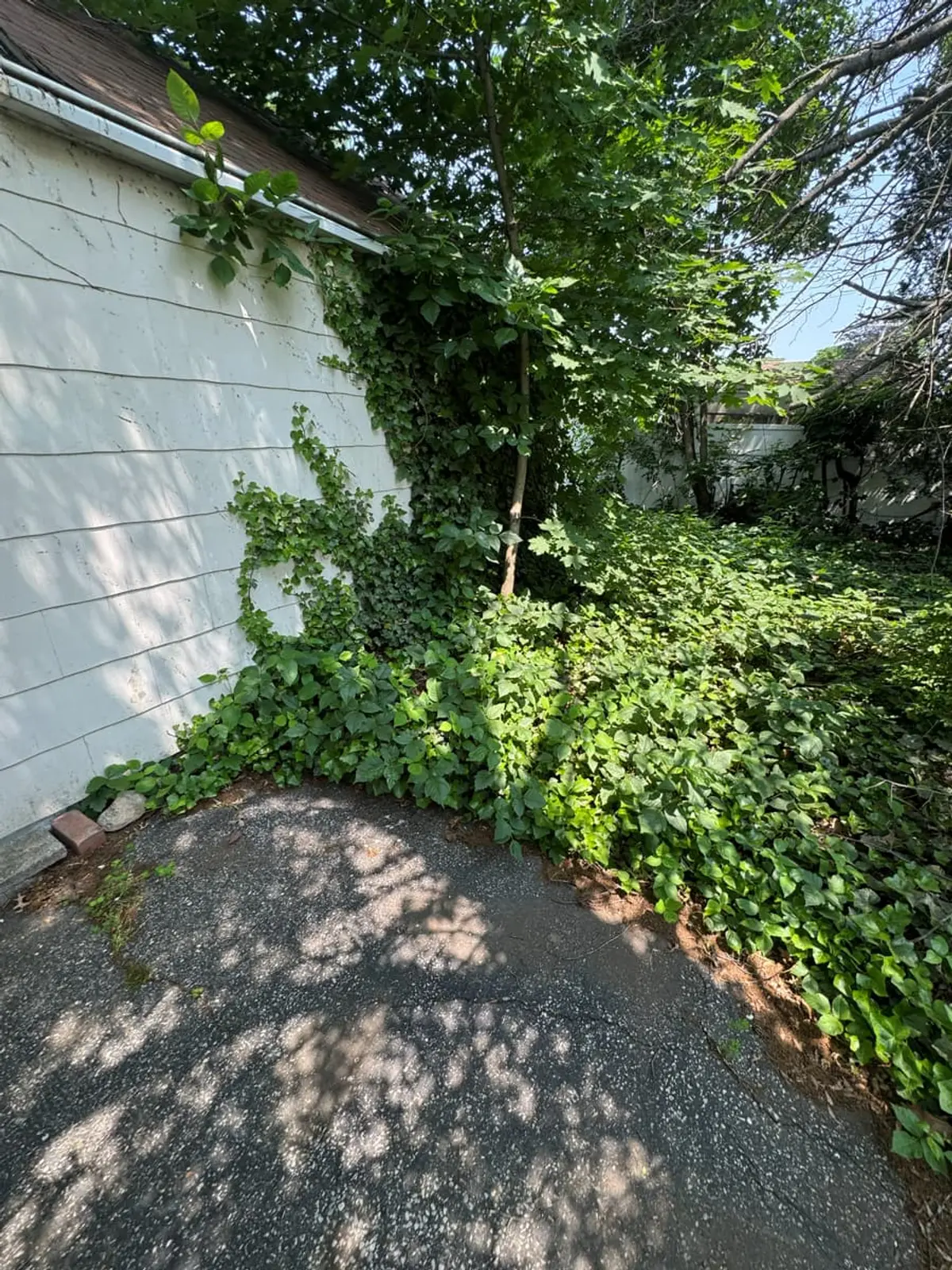
What a vacant house actually costs to leave sitting
Taxes on a vacant house carry on exactly as before. Insurance on a vacant property usually costs more than a normal policy and covers less. Heat has to stay on through a Long Island winter or the pipes go. Somebody has to keep the grass down so Levittown does not take an interest.
None of that stops until the house is sold, and none of it buys you anything. It is simply the rent you pay on a decision that has not been made yet.
What this looks like in Levittown specifically
Levittown is roughly 51,758 people in Nassau County, ZIP 11756, and the housing stock is mostly levitt cape, levitt ranch, cape cod. Around Hempstead Turnpike and Wantagh Avenue, most of it is old enough that the mechanicals are on their second or third life. We have been buying across Nassau County for 15+ years. We know what the Levittown Union Free School District does to a resale price, which blocks still have oil tanks in the ground, and what a house like yours is actually worth here.
The median is up 4.75% year over year as of 2026-05. A firming market gives you a little room for error on price, which is worth more than it sounds when the house is not in showable condition. A $728,000 median puts Levittown in the band where buyers are stretching to afford the house and have nothing left for the roof. That is precisely the buyer who walks away from a property needing work, and it is why condition matters more here than the price alone suggests. The median house goes under contract in about 44 days, which is not slow - but it describes houses that were already showable on day one.
What goes wrong in a vacant house
Nothing dramatic happens in a vacant house for a long time, which is exactly what makes people comfortable leaving it. Then one cold snap undoes a year of patience.
If that has already happened at your property, you are not in unfamiliar territory. Vacant houses with burst pipes, failed roofs and animals in the attic are a normal part of what we buy. Tell us plainly what is there and we will price it as it sits.
We buy the vacant house with the contents inside
If the vacant house is still full of furniture, we buy it that way. Take what matters to you and leave the rest exactly where it is.
Clearing it out is our cost, not yours, and it does not come off the offer. Nobody needs to rent a dumpster, book a hauler, or spend three weekends sorting through a house they have already decided to sell.
What you do not pay when you sell a vacant house
Every line below is a cost of listing a vacant house the retail way that simply does not arise here.
- Agent commission
- $36,400 at 5% of the Levittown median none
- Seller closing costs
- About $14,560 on a $728,000 sale. We can cover these. none
- Repairs to make it listable
- Whatever it takes to make it listable, paid in advance none
- Cleanout and removal
- Charged by the truckload, and done before the first showing none
- Carrying costs while it waits
- Taxes, insurance and utilities through the 89 to 104 days a listing takes to sell and close none
What insurers do once a house is vacant
Insurers treat a vacant house as a different risk, and they are not wrong to. Nobody is there to catch the leak, smell the smoke, or notice the back door standing open.
So coverage narrows, premiums rise, and some carriers decline the risk outright. Get the answer in writing from your carrier before you need it. If the cost of insuring a vacant house is part of what is pushing you to sell, say so, because it often shortens the timeline we aim for.
What Levittown notices about a vacant property
Grass, mail piling up, and a house that visibly nobody is attending to. In Levittown that draws code enforcement eventually, and open violations follow the property rather than the person. They also complicate a sale later, because they surface in title.
If violations already exist on the vacant house, tell us. We take them on and resolve them after closing, and they are not a reason for us to walk away from a deal.
How we arrive at a number on a vacant house
On a vacant house we start from the end: what it sells for once the work is done. From that we take away the cost of the work and a margin for the chance that we have misjudged either one. That is the whole method. Nothing is hidden in it.
- What it is worth repaired. Not the Levittown median of $728,000 on its own, but what houses like yours on your street actually closed at recently.
- What the work costs. Roof, boiler, electric, the kitchen and bath. In Levittown the stock is largely levitt cape and levitt ranch, and on houses that age the mechanicals are usually the expensive part rather than the cosmetics.
- How long we will hold it. The median Levittown house goes under contract in about 44 days once it is showable, then waits 45 to 60 days more on the buyer's lender. Ours has to get to showable first, and we carry taxes and insurance across the whole of it.
- What we are wrong about. Walls and floors hide things until they come up. We price for that uncertainty, and it accounts for much of the distance between a cash offer and a retail price.
How we can pay this and still make it work
Most cash buyers skip this part. We do not. We run millions of dollars of construction a year, so we buy materials at contractor prices and keep our crews busy all year. The same renovation costs us roughly half of what you would be quoted as a homeowner.
That difference is how we make money. It is also why renovating before you sell seldom comes out ahead: you would pay retail for the roof and the boiler and then hope a buyer pays you back for them. Most of the time they do not. Our margin comes from building for less, not from buying from you for less.
If our number does not work for you, tell us. We would much rather hear it than push. We will go through your situation and give you a straight view of your options, including the ones that leave us out. A lot of people do better listing with an agent, and if you are one of them we will tell you now rather than have you find out later.
Why vacant houses are hard to list
Agents do fine work with vacant houses that are clean, heated and photogenic. The trouble starts when the vacant property has visible damage, because showings turn into negotiations and lenders start asking for repairs before they will fund.
That is the version we are built for. No sign in the Levittown lawn, no showings, no appraisal contingency, and a closing date you pick. Whichever route you take, decide it on the numbers rather than on the dread of the cleanout.
Common questions
The utilities are shut off at the vacant Levittown house. Is that a problem?
Not at all. We look at vacant Levittown properties with no power and no water all the time, and it does not change what we can offer.
There are Levittown code violations on it. Will you still buy?
Yes. Open violations on a vacant house are something we take on and resolve after closing, at our cost.
The house has been vacant for years. Is it too far gone?
Length of vacancy on its own does not scare us. What matters is the structure and the lot. We have bought Nassau County houses that had been vacant a very long time and we were glad to have them.
My insurance was canceled because the house is vacant. What now?
Talk to a broker about a vacant property policy for the interim, and move on the sale. An uninsured vacant house is the risk worth closing quickly.
Do we need to clear the house out first?
Never. The cleanout is our cost. A vacant house full of furniture is exactly what we expect to find.